Photographing Otters on the Isle of Mull
Two days photographing Otters along the coastline of Mull, including mothers and cubs, hunting behaviour and one particularly memorable close encounter.
In May 2024 I returned to the Isle of Mull on the northwest coast of Scotland. Mull is renowned for its wildlife and particularly for the Otters that live and hunt around its coastline and sea lochs.
I’d booked two days with Pete Walkden Photography, a very well-known wildlife photographer and guide on the island who I’d also spent time photographing Mountain Hares with in the Cairngorms earlier in the year.
As with any wildlife photography trip, the weather can play a huge part in how successful you are — and this trip was no exception.
The first day couldn’t have looked much better. We had beautiful unbroken sunshine and temperatures reached around 24°C. It was a wonderful day to be on Mull, but unfortunately not such a wonderful day for photographing Otters.
The Otters weren’t particularly active in the heat and the warm rocks along the shoreline created significant heat haze. At long distances this can make it almost impossible to get a sharp image, while also turning backgrounds into a shimmering mess.
We eventually found a mother and cub, but only saw them for a short period before they disappeared. They never came particularly close and I didn’t come away with any photographs from the encounter.
Fortunately, the second day was very different.
The forecast was still warm but considerably more overcast. Quite early in the day we found another mother and cub and were able to position ourselves amongst the rocks along the shoreline. From there we spent a good amount of time simply watching them hunt, feed and sleep.
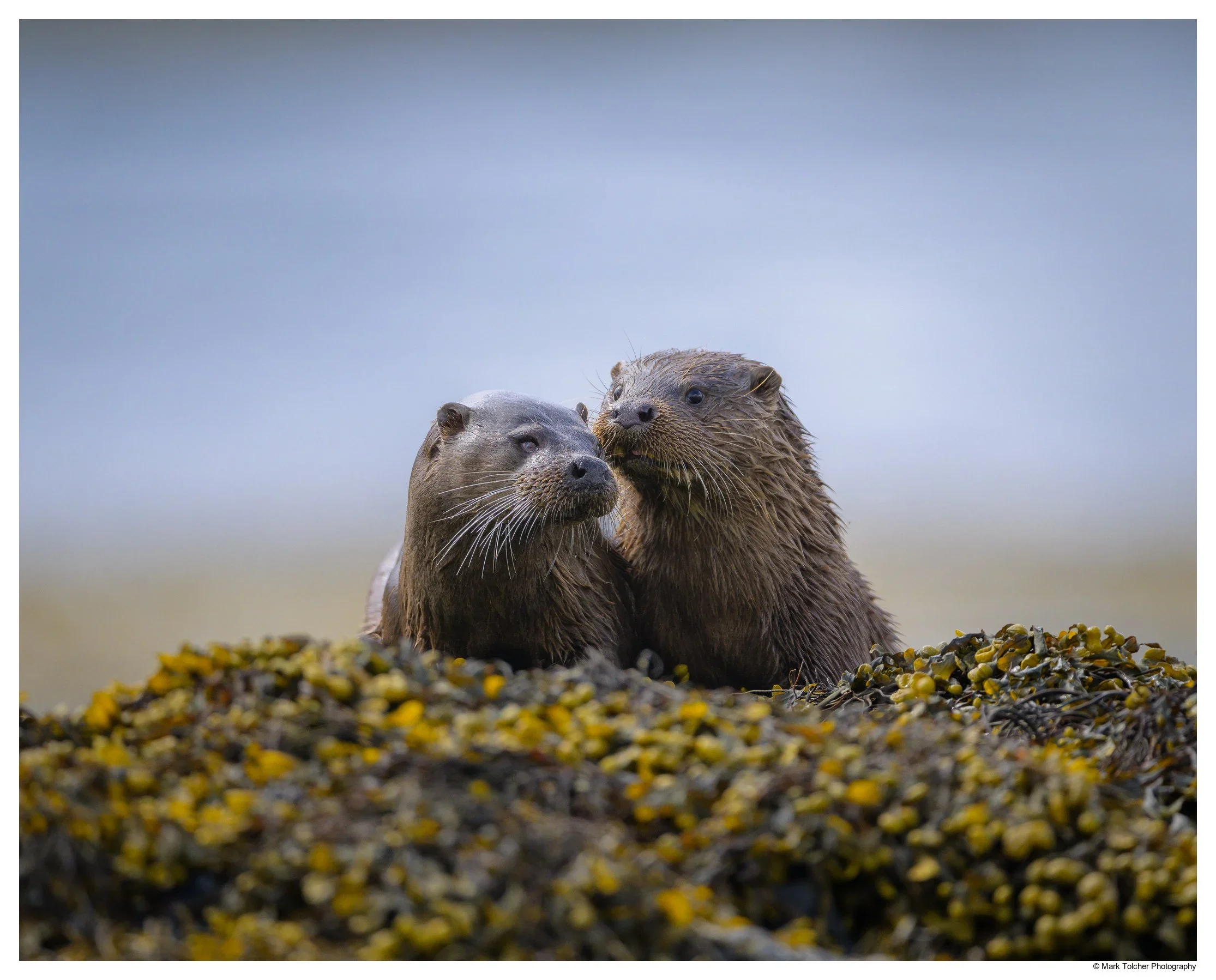
There was still some heat haze to contend with, but conditions were considerably better and this time I was finally able to start making some images.
As the pair gradually worked their way further along the loch, another Otter joined them, which we presumed was another of the mother’s cubs. Shortly afterwards a fourth, larger Otter appeared, which we thought was probably the male.
For a few minutes we watched all four of them playing together in the water. Seeing a single wild Otter is always special, so watching four of them interacting together was a wonderful thing to experience.
Eventually they dispersed and we continued our search.
It wasn’t long before we spotted another Otter emerging from what we presumed was a holt. We carefully followed her progress along the coastline as she worked her way through the kelp looking for food.
Rather than following directly behind her, we found a position amongst the rocks further along the shore, remained upwind and waited to see where she would go.
It paid off.
She swam straight past me, completely unconcerned by our presence and so close that I actually had to switch off the built-in teleconverter on my 600mm lens because I could no longer focus on her.
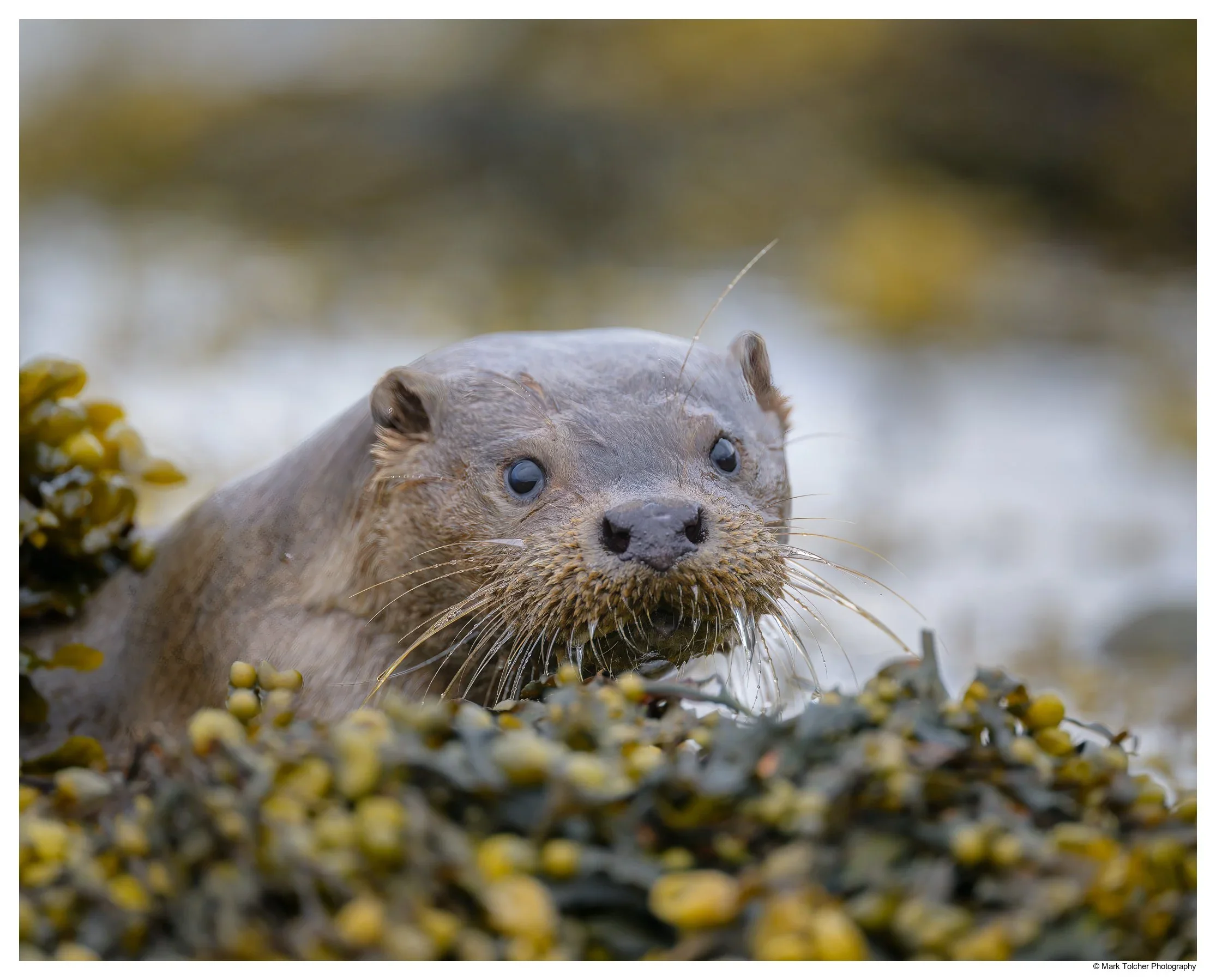
Eventually she continued along the coast and disappeared.
Later we picked up what we believed was the same Otter again. This time she successfully caught a large dogfish and brought it onto the shore to eat.
Unfortunately, this encounter also demonstrated one of the problems Mull has become known for.
The island attracts a lot of wildlife photographers and visitors hoping to see its Otters, and occasionally people get too close — either through a lack of understanding of the fieldcraft involved or simply because getting the photograph becomes more important than the welfare of the animal.
This is one of the reasons having an experienced guide such as Pete is so valuable. His knowledge of the Otters and their behaviour allowed us to anticipate where they might go and position ourselves accordingly, rather than continually following or approaching them.
With patience and a little luck, it is possible to have wonderful encounters without affecting their natural behaviour.
Sadly, on this occasion we watched another photographer do exactly the opposite. They repeatedly tried to get closer to the Otter while she was feeding and eventually disturbed her enough that she abandoned the spot and returned to the sea carrying the remains of her catch.
We moved away and headed towards the top of the beach. We were close to where we’d originally seen her emerge and wondered whether she might eventually come ashore again.
It turned out to be the final gift of the trip.
She appeared from the water and came up the beach, before suddenly starting to run through the vegetation along the top of the shoreline — directly towards where we were positioned.
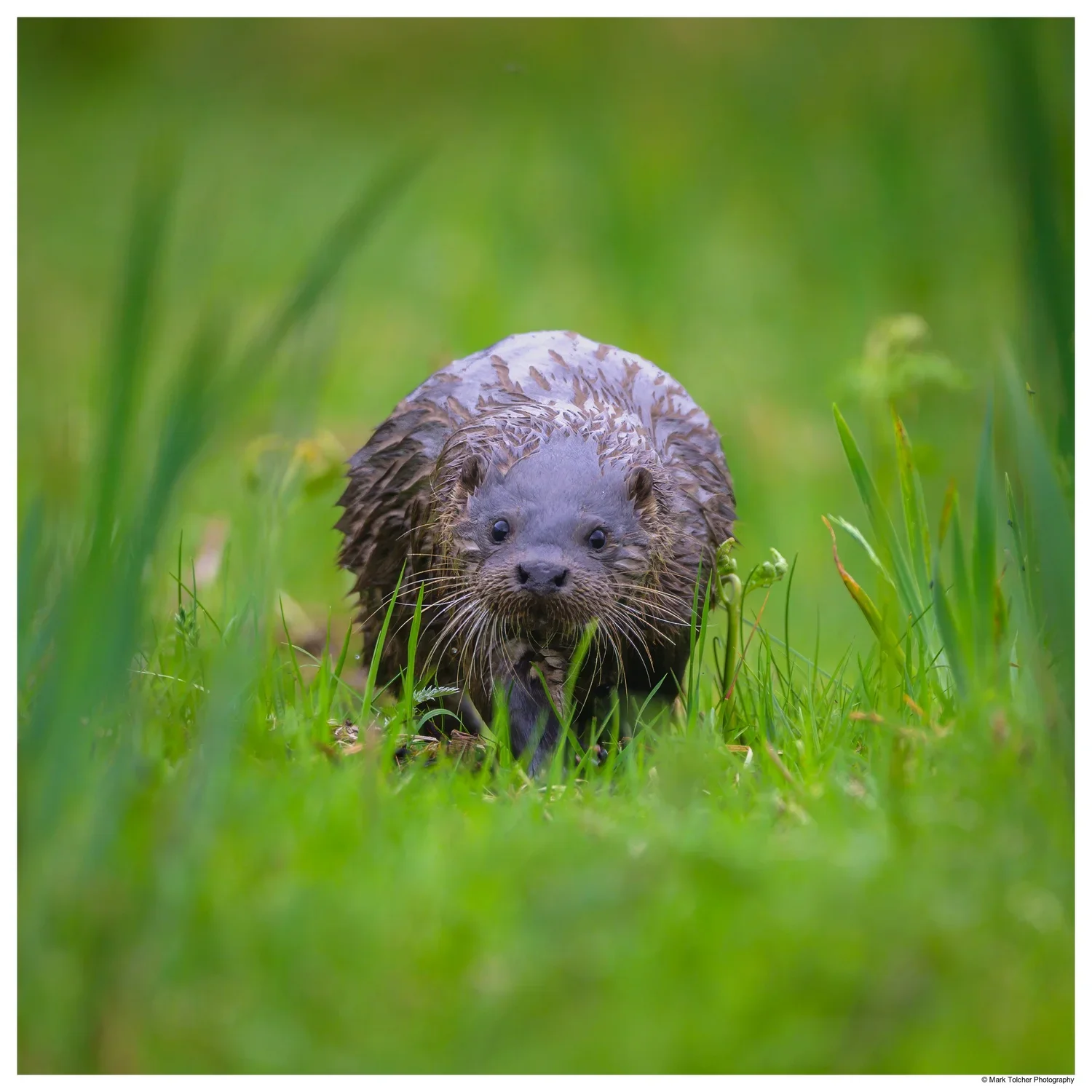
For a few moments I could hardly believe what was happening.
After spending the day carefully positioning ourselves and allowing the Otters to dictate the encounters, this one had chosen to come straight towards us.
I managed to photograph a sequence as she ran through the vegetation, producing something quite different from the more familiar images of Otters swimming or feeding along the shoreline.
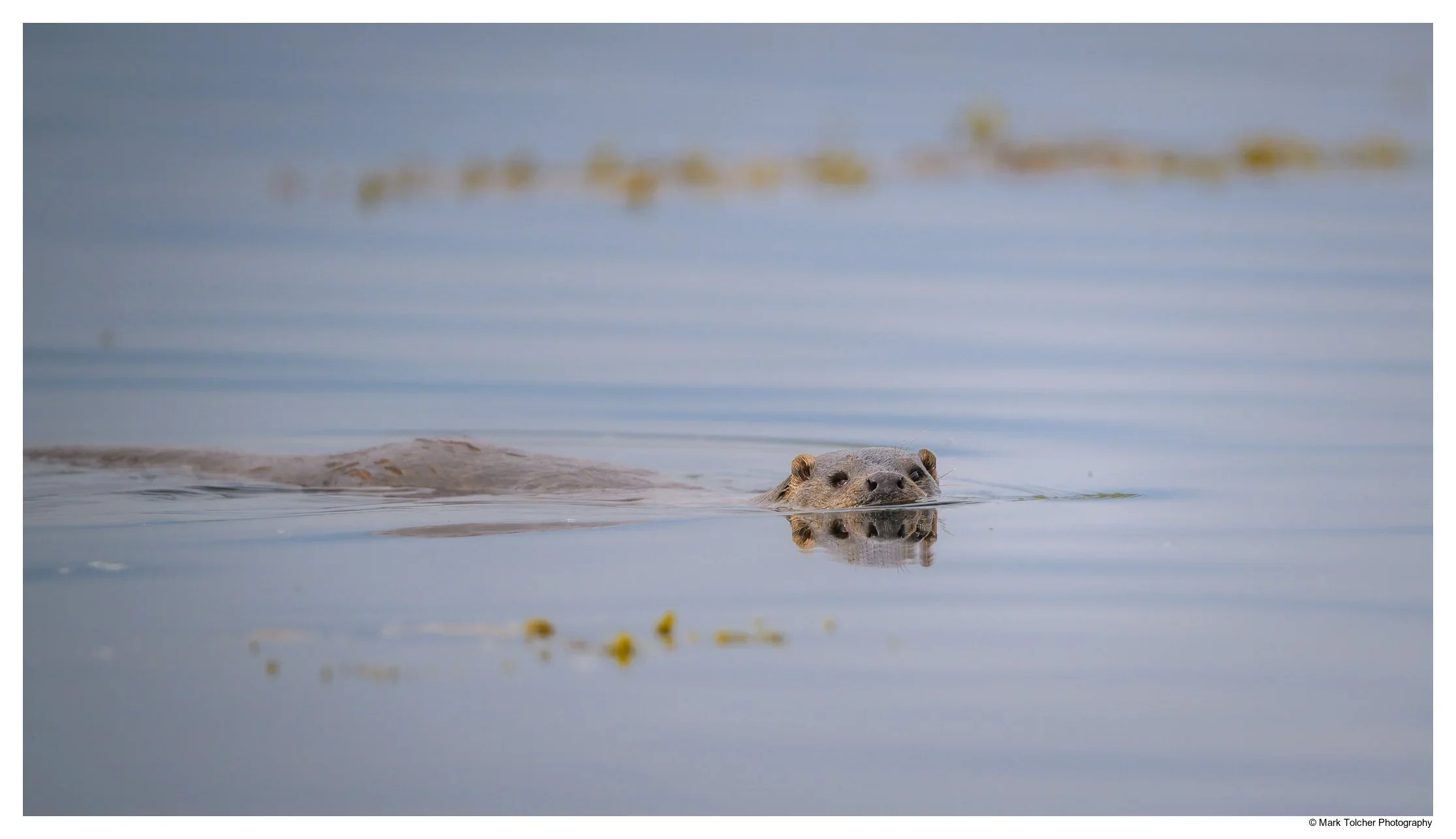
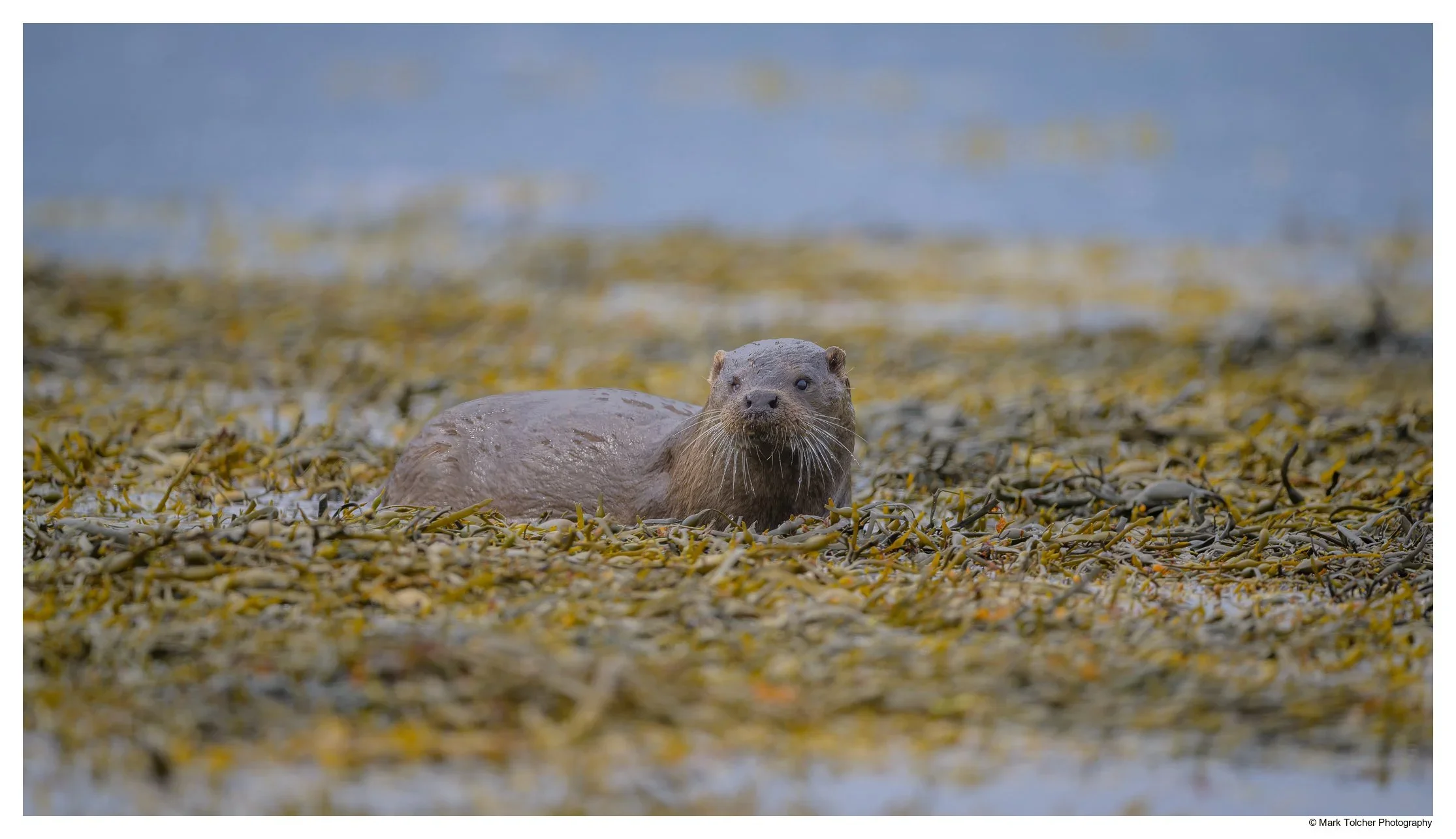
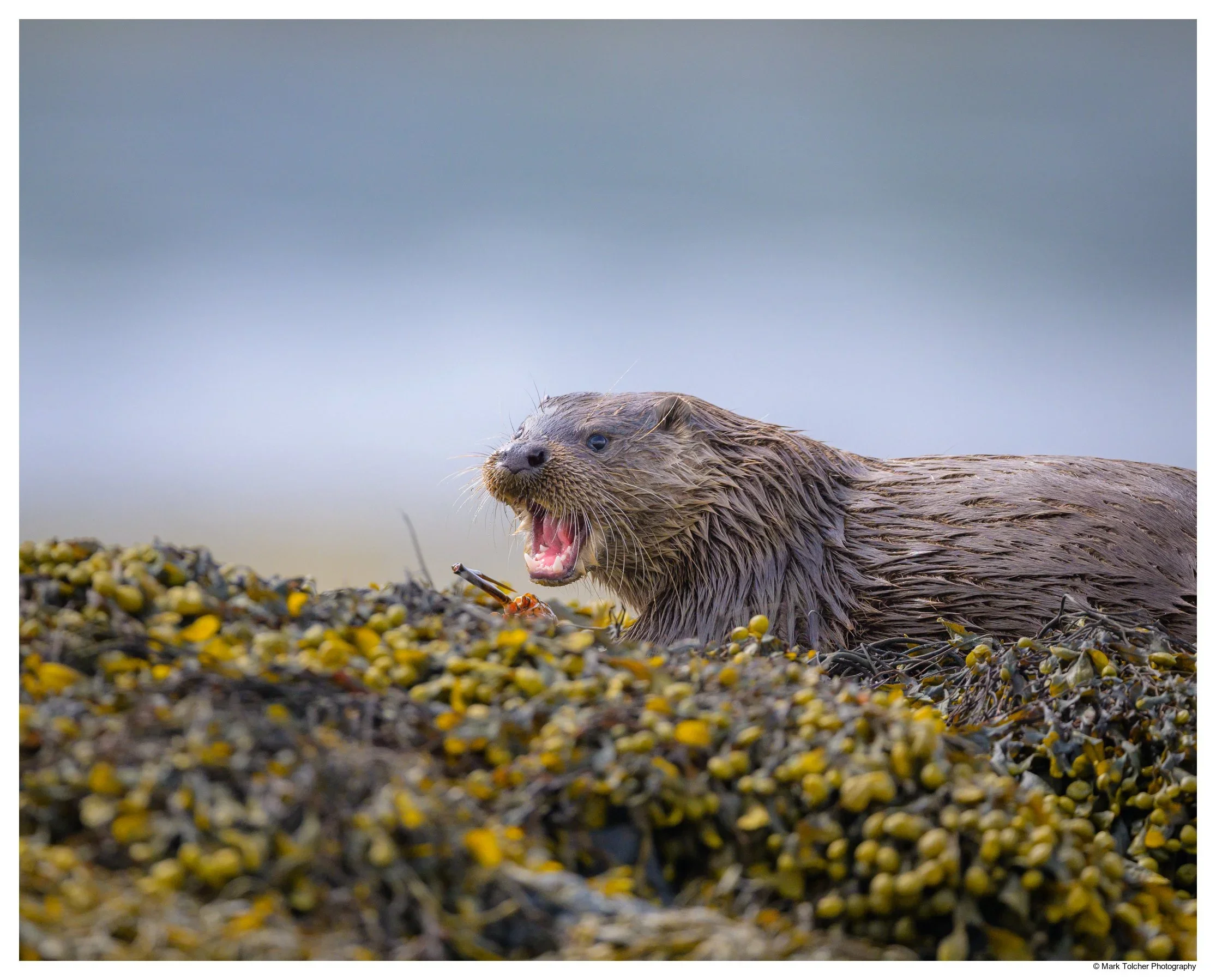
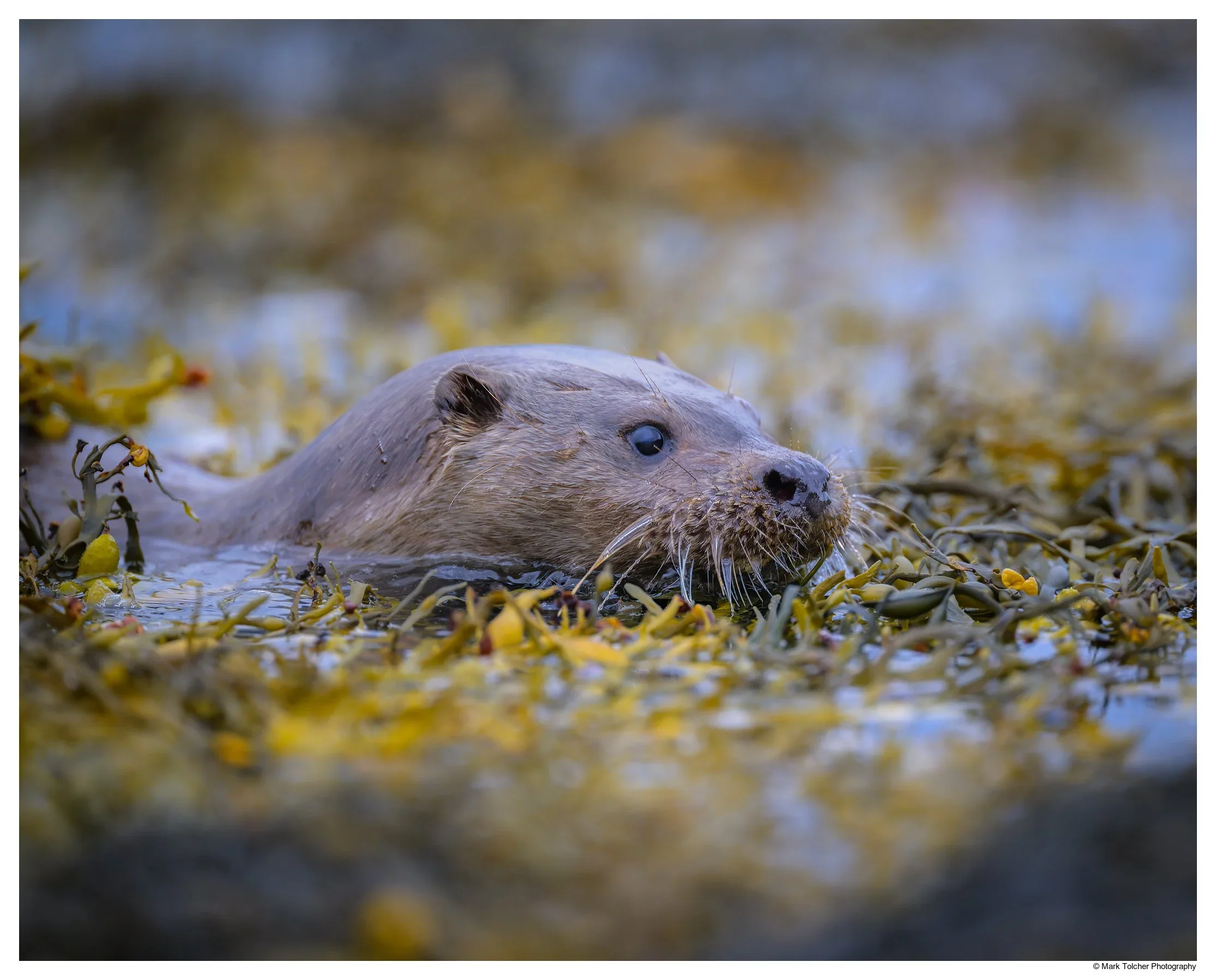
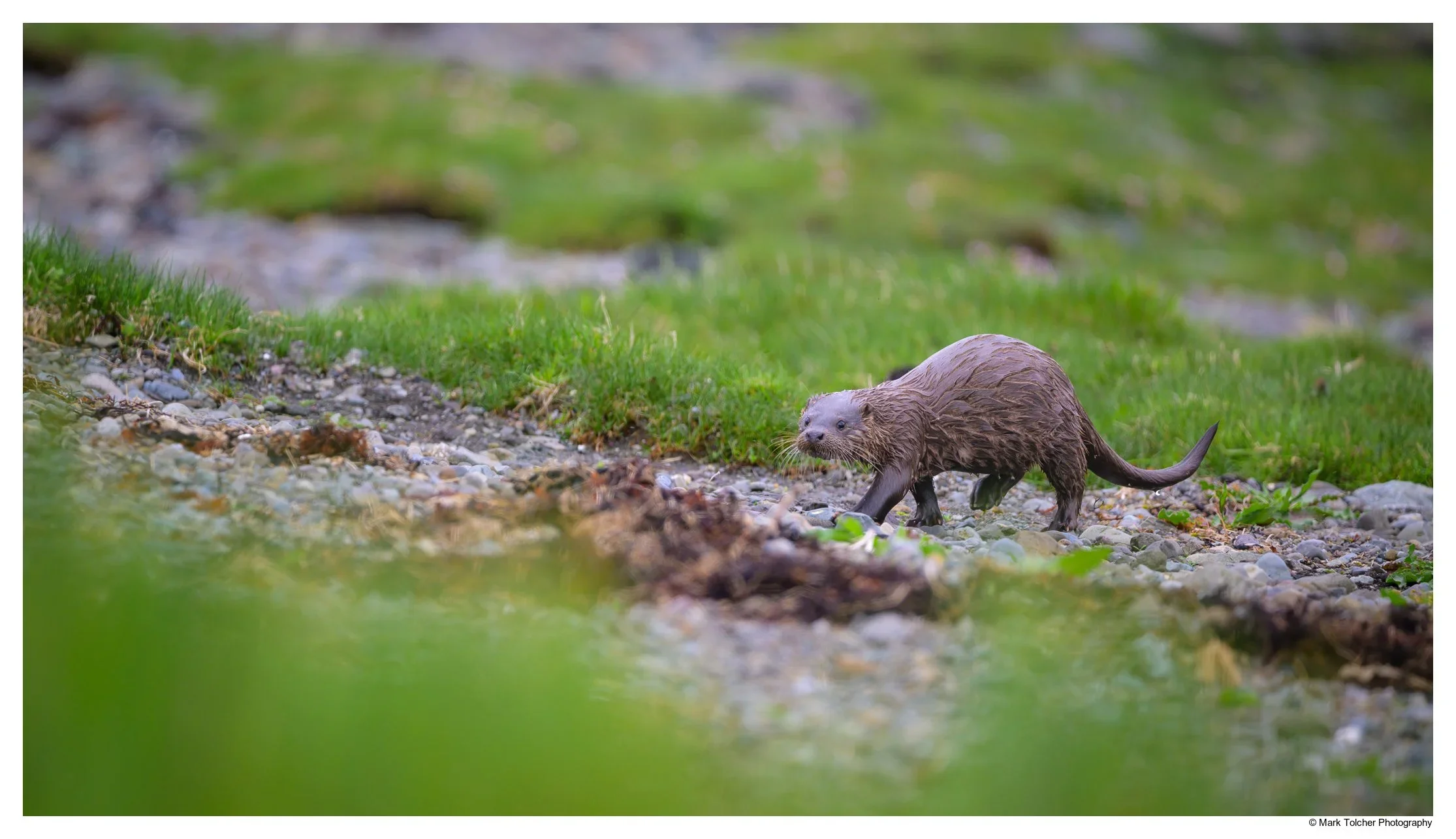
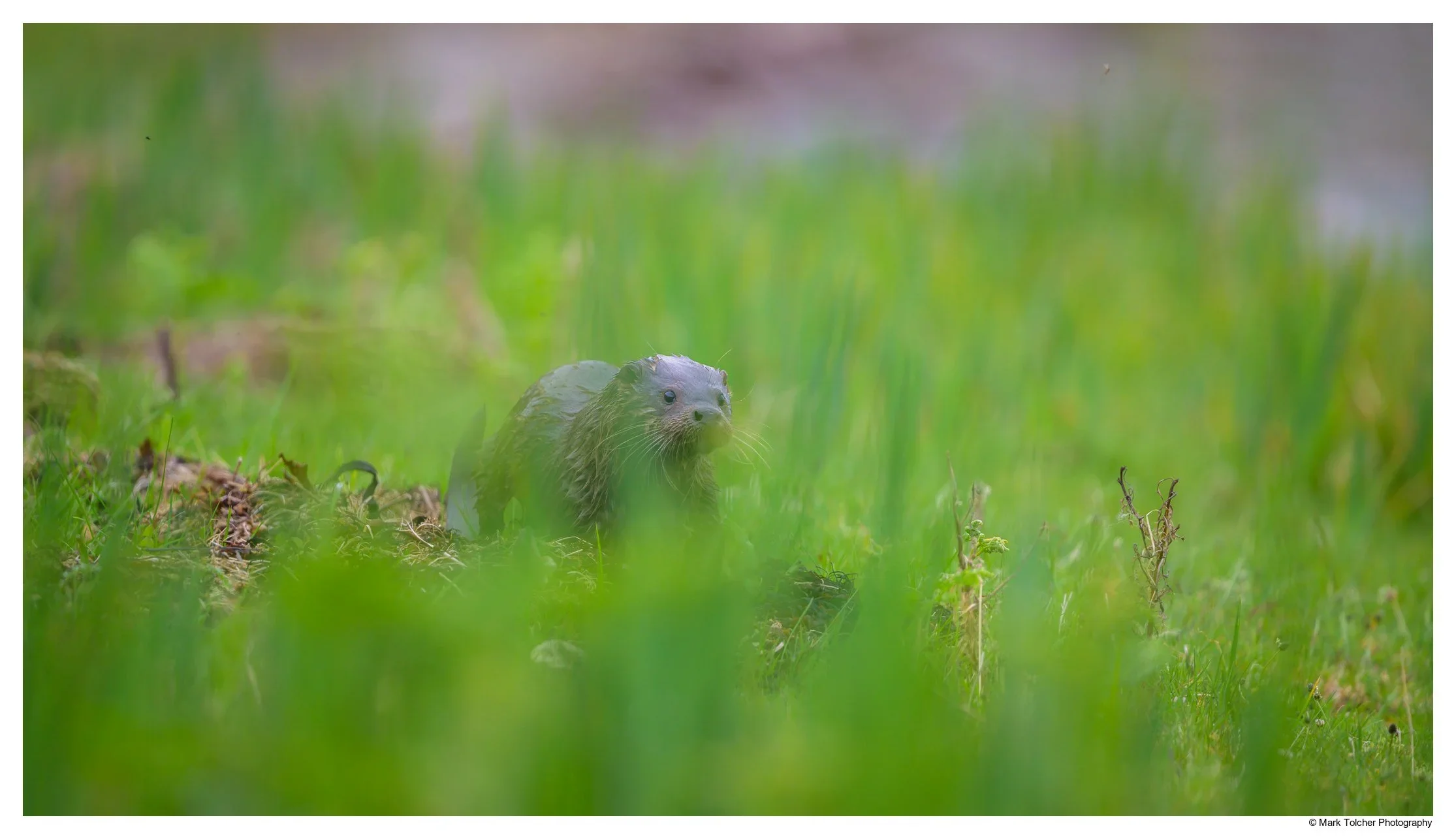
It was a memorable end to two very contrasting days on Mull and a perfect demonstration of why patience and fieldcraft matter so much in wildlife photography. Sometimes the best encounters happen when you stop trying to get closer and simply give the wildlife the opportunity to come to you.
Explore more from Scotland